Just How Artificial Roofing Tiles Withstand Snow Plenties and Heat Waves
Homeowners typically see a roof when it leaks, drops granules right into the gutter, or begins to curl at the edges. Contractors notice something else first, exactly how a roofing system handles anxiety over time. Snow lots, freeze-thaw cycles, wind-driven ice, attic room heat buildup, direct summertime sun, and abrupt temperature swings all leave hints. Those ideas turn up in cracked tabs, stood out bolts, distorted outdoor decking, shortened service life, and, in serious cases, structural strain.
That is why artificial roofing tiles have actually attracted so much attention in recent times. They are usually marketed for looks, especially when a property owner desires the account of slate, cedar shake, or various other premium products. But their efficiency tale matters equally as much. When you are comparing roofing products for a region that sees both heavy winter months tornados and penalizing summer season warm, look is just component of the equation.
In markets like the Midwest, and especially around synthetic roofing Chicago projects, the weather can transform from subzero wind chills in January to rooftop surface temperature levels well over 140 levels in July. A material that executes wonderfully in mild environments can have a hard time right here. The better synthetic roof are created with that said reality in mind, though layout high quality, installation high quality, attic room air flow, and structural problems still determine whether the roofing system grows or just survives.
What "synthetic" means on a genuine roof
Synthetic roofing roof shingles are manufactured items made to imitate conventional roof covering materials while reducing several of their weak points. Depending upon the brand name and line of product, they might be made from crafted polymers, recycled compounds, virgin resins, rubber-plastic blends, or various other exclusive formulations. The category is wide, which is why performance can vary more than house owners expect.
A premium artificial roofing item is not just "plastic roofing." That tag misses out on the engineering involved. Good products are constructed for influence resistance, UV security, dimensional uniformity, and controlled flexibility. Inferior items can end up being weak in winter, soften too much in warmth, discolor erratically, or fall short around attaching factors. I have seen both ends of that range. On one roofing system, a synthetic shake line handled a brutal winter season without splitting. On one more, lower-grade imitation slate started flawing where warmth reflected off a nearby stonework wall.
That difference is one factor the installer matters a lot. A competent artificial roofing contractor recognizes that not all artificial roof covering roof shingles reduced, attach, and blink the same way. An item can have outstanding lab information and still underperform if the staff areas fasteners incorrectly, leaves poor air flow, or disregards maker temperature standards throughout installation.
Snow lots is not nearly the shingle
When homeowners ask whether artificial roofings can "hold snow," the solution requires context. Snow load is primarily a structural problem prior to it ends up being a tile problem. Roof covering outdoor decking, mounting periods, truss design, pitch, and local code needs figure out just how much weight the roof covering setting up can support. The tile itself is just one layer in that system.
Still, the outer roof covering product issues since it influences how snow behaves and just how the setting up responds. A heavy natural slate roofing system begins with a much better dead tons than a lightweight artificial option. That leaves much less margin when a major storm drops damp, dense snow. One useful benefit of building synthetic roofing is weight decrease. A synthetic slate item can supply the visual depth of quarried stone at a portion of the weight, which is especially valuable during synthetic roof replacement on older homes that were not initially framed for true slate.
This matters on custom homes and historic-style residences where the proprietor wants premium artificial roof covering or synthetic roofing for high-end homes without burdening the structure with an extremely hefty covering. Lighter roof covering products do not magically make a roof covering immune to snow problems, yet they can reduce continuous lots on the framework year-round.
How snow actually emphasizes a roof covering surface
Snow places a roofing through numerous type of anxiety at the same time. Weight is the apparent one, yet it is not the only concern. Melting and refreezing around the eaves can create ice dams. Loaded snow can obstruct water drainage paths. Temperature distinctions between attic room spaces and roofing system surfaces can accelerate thawing in some locations while others remain frozen solid. That unequal cycle drives water under shingles and around flashings.
Synthetic roof covering roof shingles can execute well here because many remain more flexible than traditional brittle materials in very cold weather. That versatility aids them take in minor motion without fracturing. On roofings that cycle continuously in between daytime melting and nighttime refreezing, that trait is valuable.
The caution is that not every synthetic item manages cold similarly. Some lower-end products become tight when temperature levels dive. Others might resist cracking but still allow dampness invasion if installment details are poor. This is why a qualified artificial roofing business pays attention to underlayment option, flashing changes, ridge vent details, and eave protection. In snow country, the assembly under the noticeable roofing issues almost as much as the visible roof itself.
A roof covering in Naperville or the bigger Chicagoland area, as an example, may experience several freeze-thaw swings in a single month. On homes that have sanctuary ceilings, intricate valleys, dormers, and lengthy rain gutter runs, those conditions can reveal faster ways quickly. A trustworthy synthetic roofing contractor Chicagoland house owners trust fund will certainly inspect insulation levels and attic airflow before making wide guarantees regarding winter months performance.
The duty of roof covering pitch and snow shedding
Pitch influences just how much snow accumulates and just how swiftly it slides. Steeper roofing systems tend to shed snow quicker, although structure, temperature level, and sun direct exposure all affect that process. Some synthetic roof shingles have surface profiles that mimic cedar or slate so convincingly that they likewise influence snow retention. That can be great or poor relying on the design.
If snow launches too quickly in big sheets, it can damage seamless gutters, landscape design, and entrance locations. If it sticks as well long on a roofing system with recognized structural restrictions, the weight can come to be a concern. https://mylesbuos332.birchreport.com/posts/what-establishes-competent-artificial-roofing-installers-apart-in-the-midwest The right balance depends on the home. I have actually seen high roofing systems where snow guards were needed to take care of launch, and lower-slope attractive sections where the bigger concern was prolonged melting at the eaves.
This is where real website judgment matters more than brochure language. Residential synthetic roofing is not one-size-fits-all. 2 houses on the same street can need various detailing since one has big south-facing roof planes over warmed living space and the various other has actually an aerated attic room with mature shade trees.
Heat waves check a different set of properties
Summer penalizes roof covering materials in quieter means. Instead of significant ice buildup or visible snowdrifts, you obtain relentless UV direct exposure, thermal expansion, hot attic room air, and surface temperature levels that much exceed the exterior reading. On a sunny day, a dark roofing can come to be warm enough to soften low-grade materials, accelerate aging, and telegraph defects that did disappoint up in milder conditions.
Well-made artificial roofing systems are formulated to resist UV degradation and preserve dimensional security under heat. That means they should not curl, split, or lose form simply due to the fact that the roof covering bakes for days at once. Much better products also hold color extra constantly, though every roofing system discolors rather gradually. The question is whether that fading occurs gradually and evenly, or patchily and prematurely.
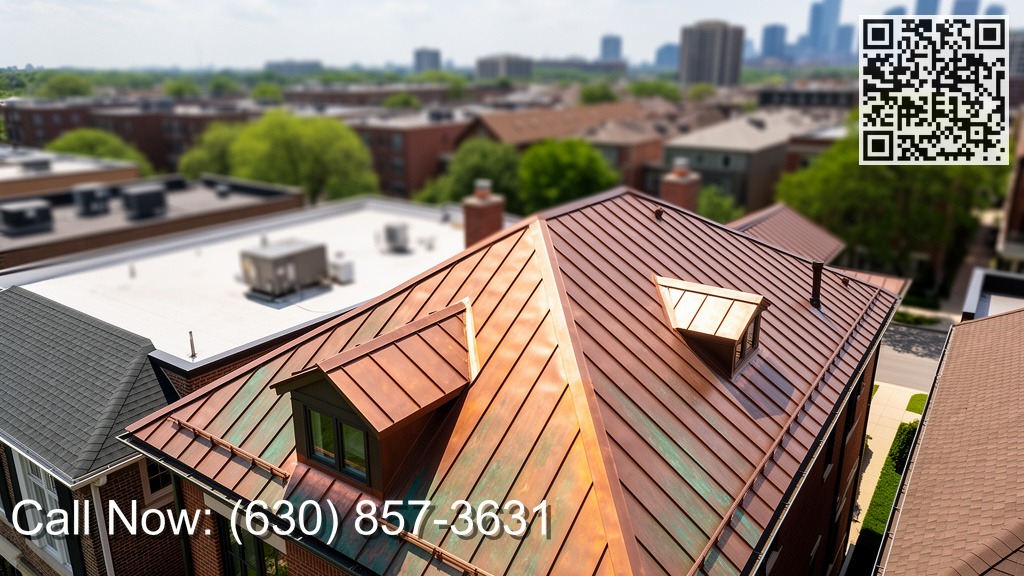
Heat waves additionally expose attaching issues. If shingles expand and contract repetitively, poor nailing patterns or not enough attachment can appear as shifting, rattling, or distortion. Experienced artificial roof installers comprehend that warm performance is not just about the shingle formula. It is likewise concerning spacing, fastening, ventilation, and whether the roof deck is completely dry, level, and correctly prepared before setup begins.
Why lightweight can help in both winter and summer
A lighter roofing item minimizes fixed load in wintertime, however it likewise transforms just how staffs take care of installation and future upkeep. Synthetic roofing roof shingles are frequently much easier to present and cross the roofing than true slate or concrete tile. That can decrease breakage during setup and make repair services less intrusive if one area is ever before harmed by a dropped limb or serious hail.
In heat, lower mass does not instantly mean a cooler roof surface area. Reflectivity, color, air flow, and assembly design play bigger duties. Yet lighter items can still profit the home because they place less stress on the framework and typically simplify retrofit applications. Throughout a synthetic roof covering substitute, that can indicate less framework adjustments compared with converting to very heavy traditional materials.
For higher-end homes, this is especially enticing. Numerous proprietors desire the depth and structure of slate or hand-split cedar without the architectural fines or maintenance frustrations. That is a crucial factor artificial roof for high-end homes has actually gotten traction. It provides the aesthetic ambition of premium roof covering while remaining practical for modern framing and code expectations.
Ventilation makes a decision greater than most homeowners realize
I have seen roofing systems criticized for problems that were actually attic room troubles. A roof covering can just do so a lot if warm, wet air gets trapped listed below it. In winter, poor ventilation adds to irregular melting, ice dams, and condensation. In summer season, it increases deck temperatures and can mature the roof from beneath.
Synthetic roofs gain from well balanced intake and exhaust air flow just like other steep-slope systems. If the attic room is under-ventilated, the roof covering might run hotter, and that additional thermal lots can lower service life. If insulation is irregular, warm interior air might develop separated thaw areas under snowpack, which is among the classic setups for ice dam formation.
A mindful artificial roof installation typically begins with concerns beyond the shingle choice itself. How is the attic room aired vent? Is the existing decking noise? Are there indications of wetness staining or mold and mildew? Are washroom fans exhausting right into the attic as opposed to outside? A skilled artificial roofer asks these concerns since long-term efficiency relies on the entire assembly, not just the visible finish.
Installation details that matter in extreme weather
Two roof coverings can utilize the exact same product and age extremely differently because of workmanship. Under snow and warm stress, little details come to be large problems. Valleys require to move water fast. Flashings around chimneys and sidewalls need to remain watertight through growth and contraction. Fasteners require proper placement and depth. Starter training courses need to stand up to wind uplift. Underlayment requires to fit the climate, particularly in freeze-thaw regions.
The best teams do not hurry this work. An artificial roof covering business with strong area self-control will inspect deck flatness, verify the manufacturer's attaching pattern, and follow temperature-specific handling assistance. Some synthetics reduced cleanly in awesome climate however become a lot more flexible in straight sun. Others need particular storage and staging so bundles do not deform prior to setup. These are not extravagant information, yet they separate sturdy arise from pricey callbacks.
Here are the area information I pay the closest interest to on weather-exposed jobs:
- Ice and water defense at eaves, valleys, and prone transitions.
- Ventilation style that matches the home's insulation and roof geometry.
- Manufacturer-approved attachment patterns for local wind and climate demands.
- Flashing combination around penetrations, stonework, and wall intersections.
- Product handling throughout very cool or very hot setup days.
That list looks fundamental, however roof failings usually begin in precisely those places.
How synthetics compare with other premium materials
Natural slate stays one of one of the most durable roof products available, however it is heavy, pricey, and extremely based on specialized setup skill. Cedar has warmth and character, yet it needs recurring maintenance and can weather unpredictably depending on climate and sunlight exposure. Asphalt shingles recognize and economical, though basic qualities commonly do not supply the very same durability, effect resistance, or architectural existence as higher-end alternatives.
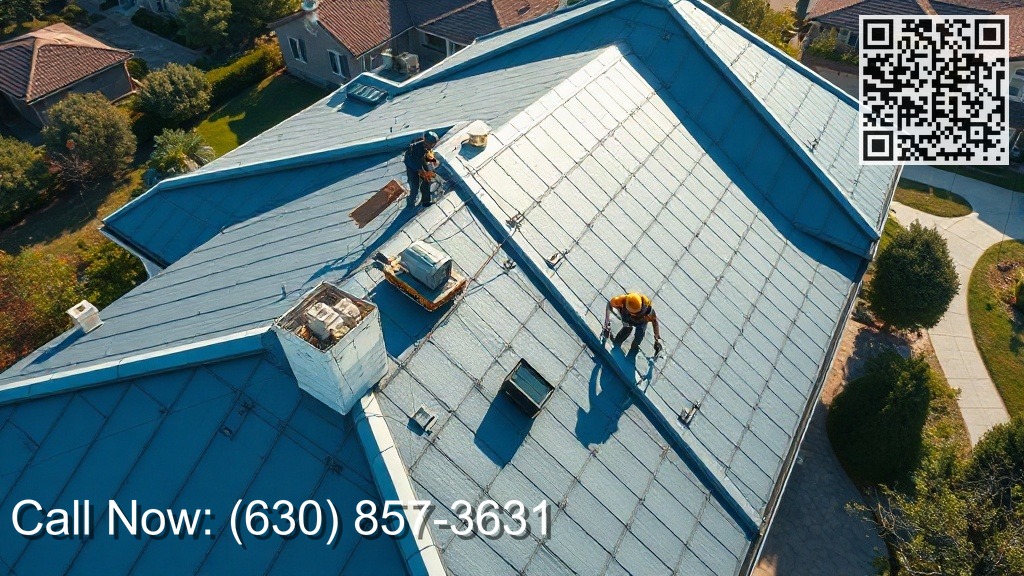
Architectural artificial roof occupies a valuable middle ground. It offers property owners a polished profile with less weight than slate and less regular maintenance than cedar. In a lot of cases, it additionally uses much better effect resistance than brittle all-natural products. For homes in climates noted by both snow accumulation and warm spikes, that balance is compelling.
That claimed, artificial is not instantly premium in every scenario. A badly made synthetic product can age terribly. A homeowner expecting a bargain price might be disappointed, since costs synthetic roof frequently sets you back greater than basic asphalt. And on historically delicate residential or commercial properties, conservation regulations might restrict acceptable item options. Good choices originate from matching the material to your house, climate, budget plan, and efficiency goals.
What homeowners in Chicagoland need to pay attention to
A roofing in this area needs to handle lake-influenced weather condition swings, damp springtime storms, hail storm pockets, deep cold wave, and warm midsummer stretches. If you are taking into consideration artificial roofing Naperville IL or elsewhere in the residential areas, ask less about marketing buzzwords and even more about neighborhood track record. Exactly how has the item handled ice dams? Has the installer utilized it on similar rooflines? What warranty assistance exists if a batch problem appears years later?
For artificial roof covering Chicago tasks, I would pay certain attention to attic problems and drain courses. Older homes frequently have air flow quirks, covered outdoor decking, or additions that changed the original airflow. More recent personalized homes might have dramatic roofing system geometry that looks superb yet creates focused runoff and snow collection zones. Both need careful planning.
Homeowners must likewise recognize that even the best synthetic roofing systems benefit from routine inspection. After a serious wintertime or a prolonged warm front, an expert examination can capture tiny blinking issues, obstructed vents, or isolated influence damage before they end up being indoor leaks.
A couple of sensible concerns deserve asking any type of synthetic roofing contractor before finalizing:
- Which synthetic products have you mounted in your area for at least several years?
- How do you take care of ventilation evaluation before artificial roof covering installation?
- What underlayment and ice obstacle information do you define for this climate?
- Who signs up service warranties, and what workmanship coverage do you provide?
- Can you reveal examples of completed household synthetic roof covering tasks nearby?
Clear responses usually tell you a whole lot regarding the high quality of the company.
The maintenance reality
One factor homeowners gravitate toward artificial roofs is the pledge of reduced maintenance. That guarantee is mainly reasonable, with limits. Artificial roof tiles generally do not call for the exact same upkeep as cedar, and they prevent some of the fragility problems related to natural slate. Yet "low upkeep" does not indicate "no maintenance."
Debris must still be gotten rid of from valleys and gutters. Overhanging branches need to still be trimmed to lower abrasion and effect risk. Sealers and flashings still age. If snow slides heavily near access or strolls, snow administration devices may still be needed. On big homes, particularly those with several roof covering levels, regular evaluation continues to be clever insurance.
From a contractor's perspective, the best artificial roofing systems tend to be the ones that integrate quality item selection with self-displined installment and realistic proprietor assumptions. When those pieces line up, the product typically manages snow lots and warm front very well. When one piece is missing out on, troubles follow faster than the sales literature suggests.
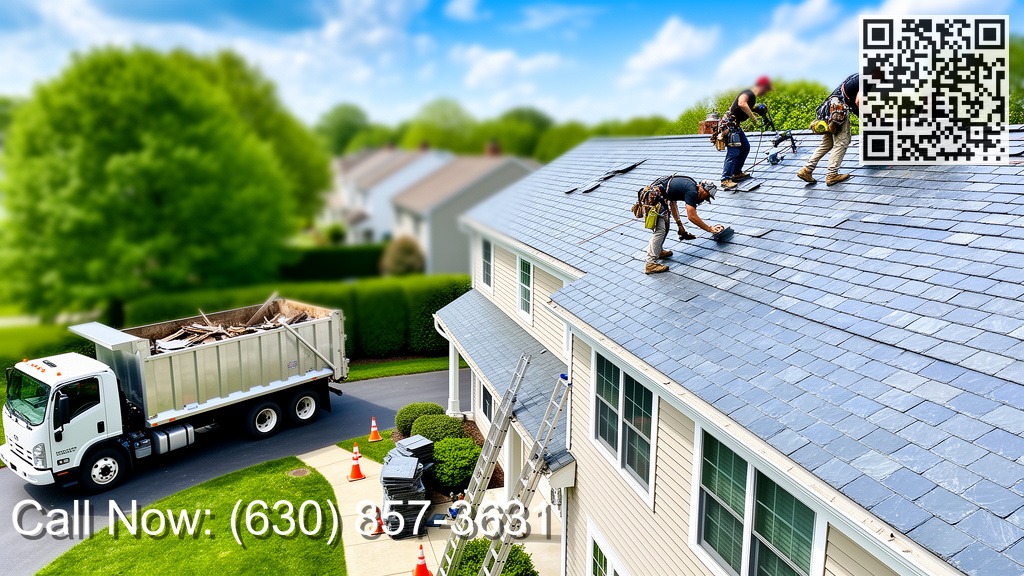
Where synthetic tiles make one of the most sense
Synthetic roof typically shines on homes where the owner wants a superior appearance, reduced architectural tons, far better impact tolerance, and much less maintenance than natural wood or stone. It is additionally a strong prospect for synthetic roofing system substitute when an aging roof requires an upgrade in both visual appeal and weather condition performance.
That does not mean every house needs it. A simple ranch with a small budget might be better offered by a high-quality architectural asphalt system if the design objectives are sensible rather than visual. However, for homeowners that appreciate lasting appearance, environment durability, and lower weight, costs synthetic roofing deserves a major look.
The best tasks I see share a common attribute. The property owners are denying a tag, they are acquiring a system. They select a tested product, insist on careful artificial roof installers, address air flow and insulation, and deal with the roof covering as part of the home's total structure envelope. That is exactly how synthetic roofing tiles gain their online reputation in severe climates.
Snow and warmth are not mild examinations. They subject weak products, rushed installation, and bad assembly style. Quality synthetic roofing systems can take on both, usually remarkably well, but just when the product and the craftsmanship are equally solid. That is the basic worth holding.
When Quality Matters
Salvo Architectural Roofing Contractors
566 West 5th Ave Naperville, IL 60563
(630) 857-3631
 Ask ChatGPT
 Ask Grok
 Ask Perplexity
 Ask Claude
 Ask Google AI
 Ask You