How Artificial Roof Shingles Take On Snow Plenties and Warm Waves
Homeowners usually see a roofing when it leakages, drops granules right into the rain gutter, or begins to curl at the sides. Specialists discover another thing initially, just how a roof covering manages anxiety in time. Snow load, freeze-thaw cycles, wind-driven ice, attic room warmth build-up, straight summertime sun, and sudden temperature swings all leave clues. Those clues turn up in broken tabs, popped bolts, warped outdoor decking, shortened life span, and, in extreme instances, structural strain.
That is why artificial roof covering shingles have drawn so much attention in recent years. They are typically marketed for looks, specifically when a home owner desires the profile of slate, cedar shake, or various other premium materials. Yet their efficiency tale matters just as much. When you are comparing roof materials for an area that sees both heavy winter season storms and punishing summertime warmth, look is just part of the equation.
In markets like the Midwest, and especially around synthetic roof covering Chicago tasks, the weather can transform from subzero wind chills in January to rooftop surface area temperatures well above 140 levels in July. A material that performs beautifully in moderate environments can battle here. The much better artificial roofing systems are designed keeping that fact in mind, though layout top quality, setup top quality, attic air flow, and structural conditions still identify whether the roofing grows or just survives.
What "artificial" suggests on a real roof
Synthetic roofing tiles are manufactured products made to resemble traditional roof covering materials while reducing a few of their weaknesses. Depending upon the brand and product line, they might be made from crafted polymers, recycled compounds, virgin resins, rubber-plastic blends, or various other proprietary formulations. The classification is wide, which is why performance can differ greater than house owners expect.
A premium synthetic roofing item is not merely "plastic roofing." That label misses out on the engineering entailed. Excellent items are built for influence resistance, UV stability, dimensional consistency, and regulated versatility. Inferior items can come to be brittle in cold weather, soften too much in heat, fade unevenly, or fail around attaching factors. I have actually seen both ends of that range. On one roof, a synthetic shake line managed a harsh wintertime without splitting. On an additional, lower-grade imitation slate began flawing where heat mirrored off a close-by masonry wall.
That distinction is one reason the installer matters a lot. A knowledgeable artificial roofing contractor knows that not all synthetic roof tiles cut, secure, and blink the same way. An item can have outstanding lab data and still underperform if the staff areas bolts incorrectly, leaves inadequate ventilation, or disregards manufacturer temperature standards during installation.
Snow tons is not nearly the shingle
When house owners ask whether artificial roofs can "hold snow," the response needs context. Snow load is mainly an architectural problem before it comes to be a shingle issue. Roofing decking, framing spans, truss style, pitch, and regional code demands identify just how much weight the roof assembly can support. The roof shingles itself is just one layer because system.
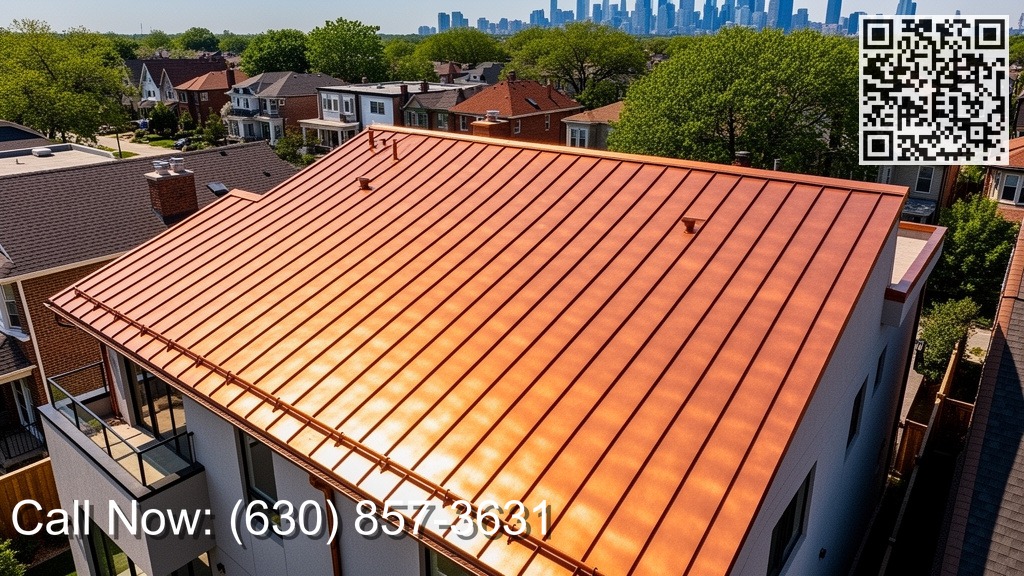
Still, the external roof covering material issues since it influences just how snow behaves and just how the setting up reacts. A heavy natural slate roofing begins with a much better dead tons than a lightweight synthetic option. That leaves less margin when a major tornado goes down wet, dense snow. One sensible benefit of architectural synthetic roof is weight reduction. An artificial slate item can provide the aesthetic depth of quarried stone at a fraction of the weight, which is particularly helpful throughout artificial roof replacement on older homes that were not originally mounted for true slate.
This matters on customized homes and historic-style homes where the owner wants costs artificial roofing or synthetic roof covering for deluxe homes without burdening the structure with an exceptionally hefty covering. Lighter roof covering materials do not amazingly make a roof unsusceptible to snow issues, however they can decrease consistent lots on the structure year-round.
How snow really worries a roof surface
Snow places a roofing system via several sort of stress at the same time. Weight is the apparent one, however it is not the only concern. Thawing and refreezing around the eaves can produce ice dams. Packed snow can block drain courses. Temperature level differences in between attic spaces and roof surfaces can increase thawing in some areas while others stay frozen solid. That unequal cycle drives water under tiles and around flashings.
Synthetic roofing shingles can do well right here because lots of remain even more flexible than conventional breakable materials in really winter. That versatility assists them take in minor motion without fracturing. On roof coverings that cycle continuously between daytime melting and nighttime refreezing, that quality is valuable.
The caveat is that not every artificial product deals with chilly the same way. Some lower-end products end up being rigid when temperatures dive. Others may withstand cracking yet still permit moisture intrusion if installment details are poor. This is why a qualified artificial roofing business pays attention to underlayment choice, blinking shifts, ridge vent details, and eave security. In snow nation, the setting up under the noticeable roof covering issues almost as long as the visible roof covering itself.
A roofing in Naperville or the wider Chicagoland location, for instance, may experience a number of freeze-thaw swings in a single month. On homes that have basilica ceilings, https://holdennxpo526.clarionvale.com/posts/what-establishes-experienced-artificial-roof-installers-apart-in-the-midwest intricate valleys, dormers, and lengthy seamless gutter runs, those problems can subject shortcuts quickly. A respectable artificial professional roofer Chicagoland property owners count on will check insulation levels and attic air flow prior to making broad promises regarding winter months performance.
The role of roof covering pitch and snow shedding
Pitch affects how much snow gathers and how swiftly it glides. Steeper roof coverings tend to lose snow more readily, although structure, temperature level, and sun exposure all affect that procedure. Some synthetic roof shingles have surface accounts that copy cedar or slate so convincingly that they also affect snow retention. That can be excellent or negative depending upon the design.
If snow releases also promptly in big sheets, it can damage gutters, landscape design, and entry areas. If it sticks as well long on a roofing system with known structural constraints, the weight can become a concern. The ideal balance relies on the home. I have actually seen high roofs where snow guards were needed to handle release, and lower-slope decorative sections where the larger problem was extended melting at the eaves.
This is where genuine site judgment matters greater than brochure language. Residential synthetic roofing is not one-size-fits-all. 2 homes on the same road can require different outlining since one has big south-facing roof covering airplanes over warmed home and the other has a ventilated attic with mature shade trees.
Heat waves examine a various collection of properties
Summer punishes roof covering products in quieter ways. Instead of dramatic ice buildup or visible snowdrifts, you get unrelenting UV exposure, thermal expansion, warm attic room air, and surface temperatures that much surpass the outside analysis. On a bright day, a dark roof can come to be warm sufficient to soften low-quality products, accelerate aging, and telegraph flaws that did disappoint up in milder conditions.
Well-made artificial roofing systems are formulated to resist UV destruction and maintain dimensional stability under warm. That indicates they ought to not curl, split, or shed form simply since the roofing system bakes for days at once. Better products also hold color much more consistently, though every roof fades somewhat over time. The concern is whether that fading occurs gradually and uniformly, or patchily and prematurely.
Heat waves additionally expose fastening concerns. If tiles increase and contract continuously, poor nailing patterns or insufficient attachment can appear as changing, rattling, or distortion. Experienced synthetic roofing installers comprehend that heat performance is not almost the roof shingles formula. It is also regarding spacing, attachment, ventilation, and whether the roofing deck is dry, flat, and appropriately prepared prior to installment begins.
Why lightweight can assist in both winter months and summer
A lighter roofing product lowers static lots in wintertime, however it likewise changes how teams deal with setup and future upkeep. Artificial roof covering shingles are commonly less complicated to organize and move across the roofing system than real slate or concrete tile. That can minimize breakage during installation and make repair work less invasive if one area is ever before harmed by a dropped arm or leg or severe hail.
In hot weather, reduced mass does not immediately suggest a cooler roofing surface. Reflectivity, shade, air flow, and assembly design play bigger functions. But lighter items can still profit the home since they position less stress on the framework and typically simplify retrofit applications. Throughout an artificial roof covering replacement, that can mean less framework alterations compared to transforming to extremely hefty traditional materials.
For higher-end homes, this is especially appealing. Lots of proprietors desire the depth and appearance of slate or hand-split cedar without the structural fines or upkeep frustrations. That is a key factor synthetic roofing for deluxe homes has obtained grip. It supplies the visual aspiration of premium roof while staying practical for modern framing and code expectations.
Ventilation decides more than the majority of property owners realize
I have seen roof systems condemned for troubles that were truly attic room problems. A roofing can only do so much if warm, damp air obtains trapped below it. In winter, poor ventilation adds to unequal melting, ice dams, and condensation. In summertime, it drives up deck temperatures and can age the roof from beneath.
Synthetic roofing systems take advantage of well balanced consumption and exhaust air flow similar to various other steep-slope systems. If the attic is under-ventilated, the roof covering might run hotter, and that additional thermal lots can decrease service life. If insulation is unequal, warm indoor air might develop isolated thaw zones under snowpack, which is among the traditional configurations for ice dam formation.
A careful artificial roofing installation typically begins with questions past the roof shingles option itself. Exactly how is the attic aired vent? Is the existing decking noise? Are there signs of dampness staining or mold and mildew? Are bathroom fans tiring right into the attic room as opposed to exterior? An experienced synthetic roofing contractor asks these inquiries since lasting efficiency depends upon the whole setting up, not just the visible finish.
Installation information that matter in extreme weather
Two roofing systems can use the exact same product and age extremely differently as a result of workmanship. Under snow and warmth tension, small details become big problems. Valleys need to relocate water quick. Flashings around smokeshafts and sidewalls need to remain watertight through growth and contraction. Bolts need correct placement and deepness. Starter programs need to stand up to wind uplift. Underlayment requires to fit the climate, especially in freeze-thaw regions.
The finest crews do not rush this work. An artificial roof covering business with solid field discipline will certainly check deck monotony, validate the maker's securing pattern, and follow temperature-specific handling support. Some synthetics cut easily in awesome climate yet come to be a lot more flexible in direct sun. Others need details storage space and staging so bundles do not warp before installation. These are not glamorous information, however they divide long lasting results from costly callbacks.
Here are the area details I pay the closest focus to on weather-exposed tasks:
- Ice and water security at eaves, valleys, and prone transitions.
- Ventilation style that matches the home's insulation and roof geometry.
- Manufacturer-approved fastening patterns for local wind and climate demands.
- Flashing integration around penetrations, masonry, and wall surface intersections.
- Product handling throughout extremely cold or extremely warm setup days.
That list looks standard, however roof covering failings often begin in specifically those places.
How synthetics compare with various other costs materials
Natural slate remains one of the most durable roofing materials offered, however it is heavy, pricey, and extremely dependent on specialized setup skill. Cedar has warmth and character, yet it requires continuous maintenance and can weather unpredictably depending upon environment and sunlight direct exposure. Asphalt roof shingles know and cost-effective, though standard grades usually do not deliver the very same longevity, effect resistance, or building presence as higher-end alternatives.
Architectural artificial roofing inhabits a useful middle ground. It offers homeowners a polished account with less weight than slate and less regular upkeep than cedar. In a lot of cases, it additionally offers better effect resistance than breakable natural products. For homes in climates marked by both snow build-up and heat spikes, that balance is compelling.
That claimed, artificial is not automatically superior in every scenario. A badly made artificial item can age badly. A home owner expecting a deal rate might be dissatisfied, due to the fact that premium synthetic roof usually sets you back greater than common asphalt. And on traditionally sensitive properties, preservation rules may restrict acceptable product choices. Great choices come from matching the material to your home, climate, spending plan, and performance goals.
What home owners in Chicagoland ought to focus to
A roofing system in this region needs to handle lake-influenced weather swings, wet springtime storms, hail storm pockets, deep cold snaps, and hot midsummer stretches. If you are considering synthetic roof covering Naperville IL or in other places in the suburban areas, ask much less about advertising buzzwords and even more regarding regional performance history. Exactly how has the item handled ice dams? Has the installer used it on similar rooflines? What service warranty assistance exists if a set issue shows up years later?
For artificial roof Chicago jobs, I would certainly pay particular interest to attic problems and drainage paths. Older homes typically have ventilation peculiarities, patched outdoor decking, or additions that altered the initial air movement. Newer customized homes may have significant roofing geometry that looks exceptional but develops focused runoff and snow collection areas. Both need careful planning.
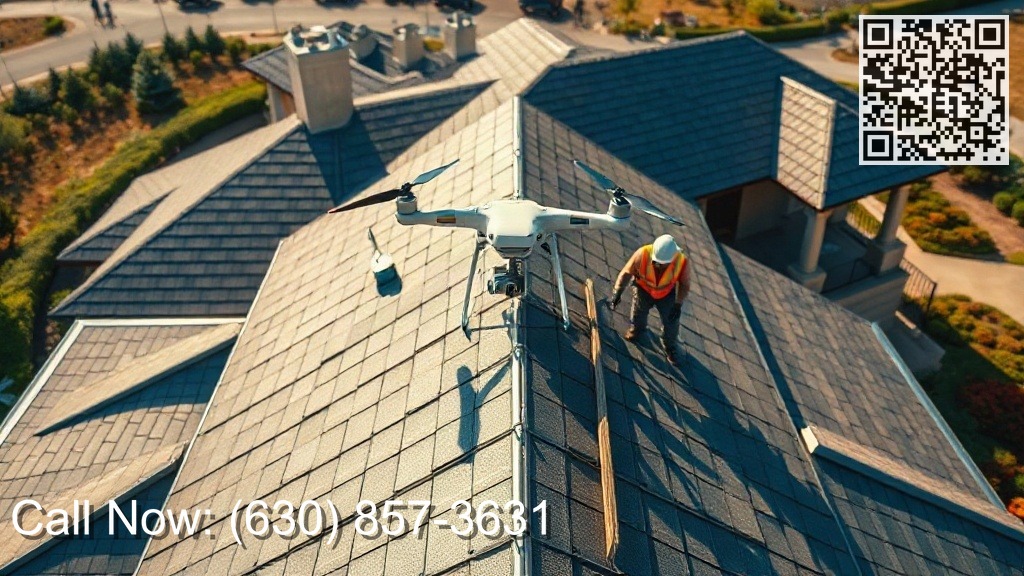
Homeowners need to also comprehend that also the very best artificial roof benefit from routine inspection. After a serious winter months or a prolonged warm front, a professional checkup can capture tiny flashing issues, obstructed vents, or separated influence damages before they become interior leaks.
A couple of practical concerns deserve asking any type of synthetic professional roofer before signing:
- Which synthetic products have you mounted locally for at least several years?
- How do you deal with air flow evaluation before artificial roof installation?
- What underlayment and ice barrier information do you define for this climate?
- Who registers warranties, and what craftsmanship insurance coverage do you provide?
- Can you show examples of completed household artificial roof covering tasks nearby?
Clear answers usually inform you a lot regarding the high quality of the company.
The upkeep reality
One factor property owners incline synthetic roofings is the assurance of reduced upkeep. That guarantee is mostly fair, with limitations. Synthetic roof covering tiles usually do not call for the very same maintenance as cedar, and they stay clear of several of the frailty concerns related to natural slate. However "low upkeep" does not imply "no upkeep."
Debris must still be cleared from valleys and rain gutters. Overhanging branches need to still be trimmed back to minimize abrasion and influence danger. Sealants and flashings still age. If snow slides greatly near entries or walks, snow monitoring devices may still be needed. On huge homes, particularly those with multiple roofing system levels, regular evaluation continues to be smart insurance.
From a specialist's point of view, the very best synthetic roofing systems have a tendency to be the ones that combine top quality item choice with regimented installment and realistic owner expectations. When those items straighten, the material normally deals with snow tons and warm front effectively. When one piece is missing out on, troubles comply with faster than the sales literary works suggests.
Where artificial roof shingles make the most sense
Synthetic roofing commonly beams on homes where the proprietor wants an exceptional appearance, minimized architectural lots, much better impact resistance, and less upkeep than natural wood or rock. It is additionally a strong candidate for artificial roof replacement when an aging roofing system needs an upgrade in both aesthetic allure and weather performance.
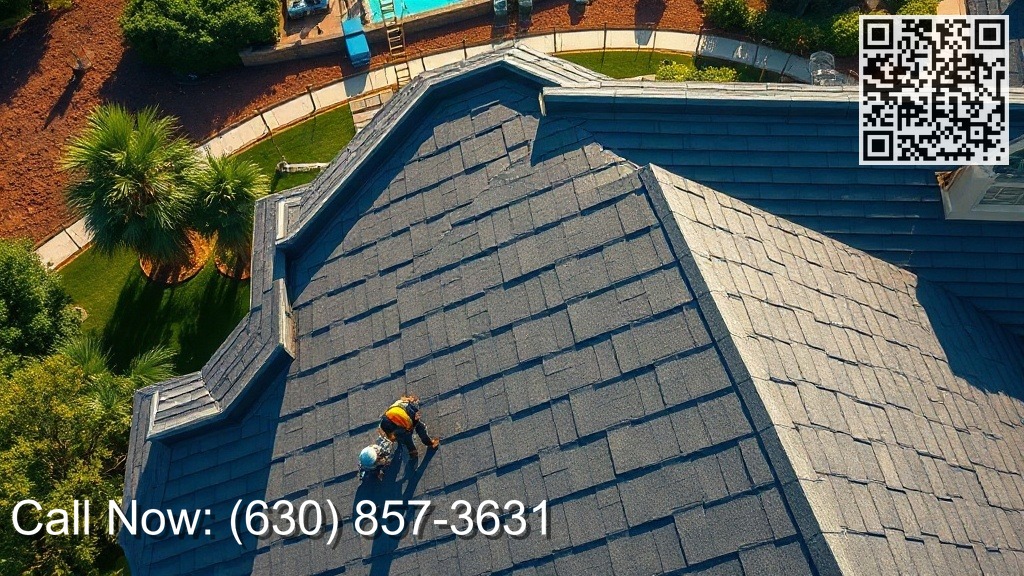
That does not imply every house requires it. A simple cattle ranch with a modest budget plan might be much better served by a premium architectural asphalt system if the design objectives are sensible as opposed to aesthetic. But also for home owners who respect long-term look, climate durability, and lower weight, premium synthetic roof covering is entitled to a serious look.
The strongest projects I see share a common characteristic. The homeowners are denying a tag, they are purchasing a system. They select a proven product, insist on cautious artificial roofing installers, address ventilation and insulation, and deal with the roofing as component of the home's general structure envelope. That is just how artificial roofing tiles gain their credibility in severe climates.
Snow and warm are not mild examinations. They reveal weak materials, rushed installment, and bad setting up style. Quality synthetic roofs can take on both, typically remarkably well, however only when the product and the craftsmanship are equally strong. That is the conventional worth holding.
When Quality Matters
Salvo Architectural Roofing Contractors
566 West 5th Ave Naperville, IL 60563
(630) 857-3631
 Ask ChatGPT
 Ask Grok
 Ask Perplexity
 Ask Claude
 Ask Google AI
 Ask You